Visual Impairment
Definition
Students who are visually impaired include students who are blind, have no vision, or have little potential for using vision or students who have low vision. The term visual impairment does not include students who have learning problems that are primarily the result of visual perceptual and/or visual motor difficulties.
The corresponding definition is found in State Board of Education Rule 6A-6.03014, Florida Administrative Code (F.A.C.).
General Overview
Many areas of development are impacted by a visual impairment. Consequently, skill development in these areas may warrant additional instruction. This specific instruction is provided by teachers of students with visual impairments. For students who are visually impaired, these skills are addressed in the Expanded Core Curriculum (ECC). According to the National Agenda for the Education of Children and Youths with Visual Impairments, Including Those with Multiple Disabilities, the ECC consists of:
- Compensatory academic skills, such as communication modes
- Orientation and mobility
- Social interaction skills
- Independent living skills
- Recreation and leisure skills
- Career education
- Use of technology and assistive technology
- Sensory efficiency skills
- Self-determination
The effect of the visual impairment on individual learning may also be tied to the onset, the severity, and the type of visual loss, as well as to any coexisting disabilities that may be present in the child. Children who have multiple disabilities may have visual impairments resulting in motor, cognitive, and/or social developmental delays.
Common Causes
- Congenital. Visual impairment or blindness occurs during fetal development, at birth, or immediately following birth; visual impairment is present before visual memory has been established.
- Adventitious. Visual impairment or blindness occurs after having normal vision either through a hereditary condition or trauma; visual memory may remain.
- Hereditary. Visual impairments can be caused by hereditary conditions, infectious diseases such as rubella, cancer, injuries, and environmental conditions.
Diagnostic Indicators
Visual impairments are generally diagnosed by a licensed ophthalmologist or optometrist when at least one of the following conditions manifest. These are:
- A visual acuity of 20/70 or less in the better eye after best possible correction.
- A peripheral field so constricted that it affects the student’s ability to function in an educational setting.
- A progressive loss of vision that may affect the student’s ability to function in an educational setting, not including students who have learning problems that are primarily the result of visual perceptual and/or visual motor difficulties.
- For children birth to five (5) years of age or students are otherwise unable to be assessed, a bilateral lack of central, steady, or maintained fixation of vision with an estimated visual acuity of 20/70 or less after best possible correction; bilateral central scotoma involving the perimacula area (20/80-20/200); or bilateral grade III, IV, or V Retinopathy of Prematurity (ROP).

Characteristics
If one of the medical criteria listed under Diagnostic Indicators is met, then a comprehensive assessment of those skills known to be impacted by visual impairment may be performed. To provide appropriate accommodations for additional testing, the functional vision-learning media assessments (FV-LMA), should be completed prior to performing additional evaluations.
Conducted by teachers of students with visual impairments, the FV-LMA assessment may address the following characteristics that may impact visual functioning in many students with visual impairments throughout the day:
- peripheral fields/blind spots
- color discrimination
- functional acuities
- depth perception
- contrast sensitivity, glare, or lighting
- fatigue
- proximity to source of instruction
Because a student cannot see parents, peers, or teachers, he/she may be unable to imitate social behavior or understand nonverbal cues. Visual impairments can create obstacles to a growing child’s independence. It should be noted that students who have the same medical condition may visually function quite differently.
In addition to assessing the student’s visual functioning, teachers of students with visual impairments will determine the most appropriate learning media for students of all ages and ability levels. A learning media assessment addresses the following:
- use of sensory channels
- how a student can best access print and visual materials
- reading and writing skills in all media
- tactual skills
- listening skills
Technologies

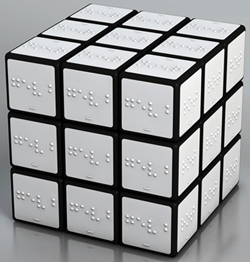
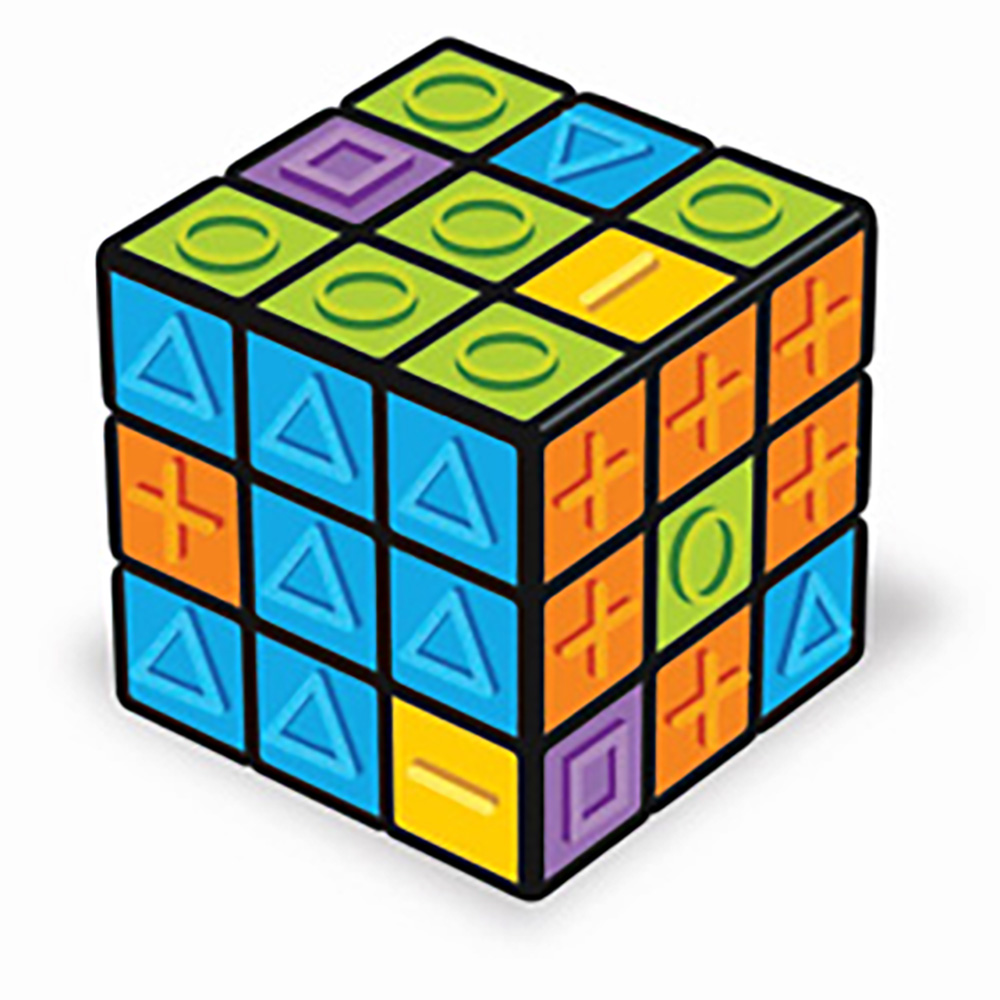
Universal Design creates common tools and resources to support communities of learners.
General
 At & UDL Loan Library
Magnification
 Electronic Document Magnification
- Lens Based Magnification
- Low Vision Devices
- iOS Apps Magnification
Computer Access
- Refreshable Braille Displays
- Screen Reader Software
- Mobile Screen Readers
- Tactile Tablet Display
- Notetakers
- LCD TV Displays
Printers/Embossers
- Braille Embossing Printers
- Touchable Ink
- Slate & Stylus
Book Readers
- Daisy Book Readers
- Bookport Reader
- Scanners / Readers
Academics
- 3D Printing
- AT & UDL Newsletter on 3D Printing
- Math Manipulatives
- Talking Science Tools
- USB Microscopes
- Glasses for Color Blindness
Clocks/Timers
- Talking Clocks
- Watches
- Talking Reminders
Virtual Reality
- Metaverse Participation
- Virtual Reality Headsets
Resources
Florida Instructional Materials Center for the Visually Impaired -
http://www.fimcvi.org/
American Foundation for the Blind: Technology Resources -
http://www.afb.org/info/living-with-vision-loss/using-technology/12
American Printing House for the Blind: Technology -
http://tech.aph.org/
